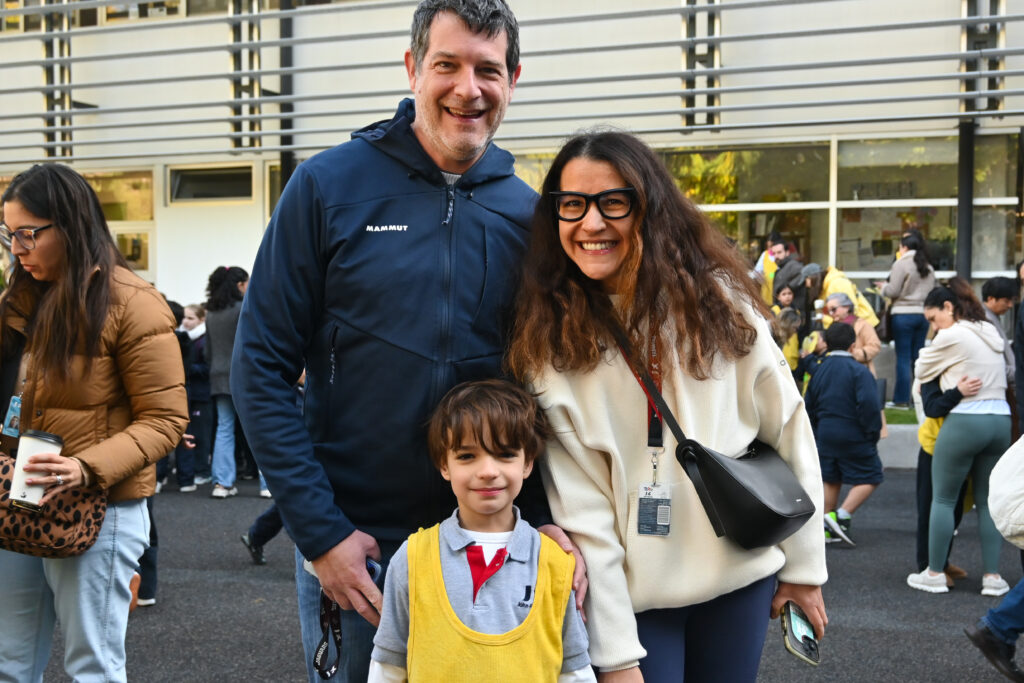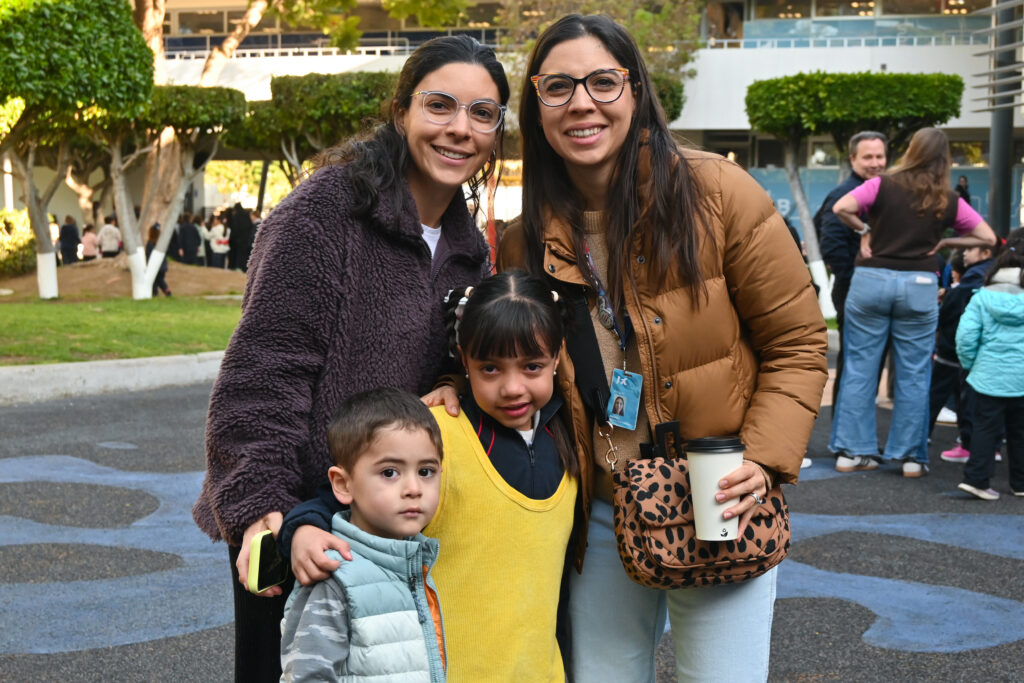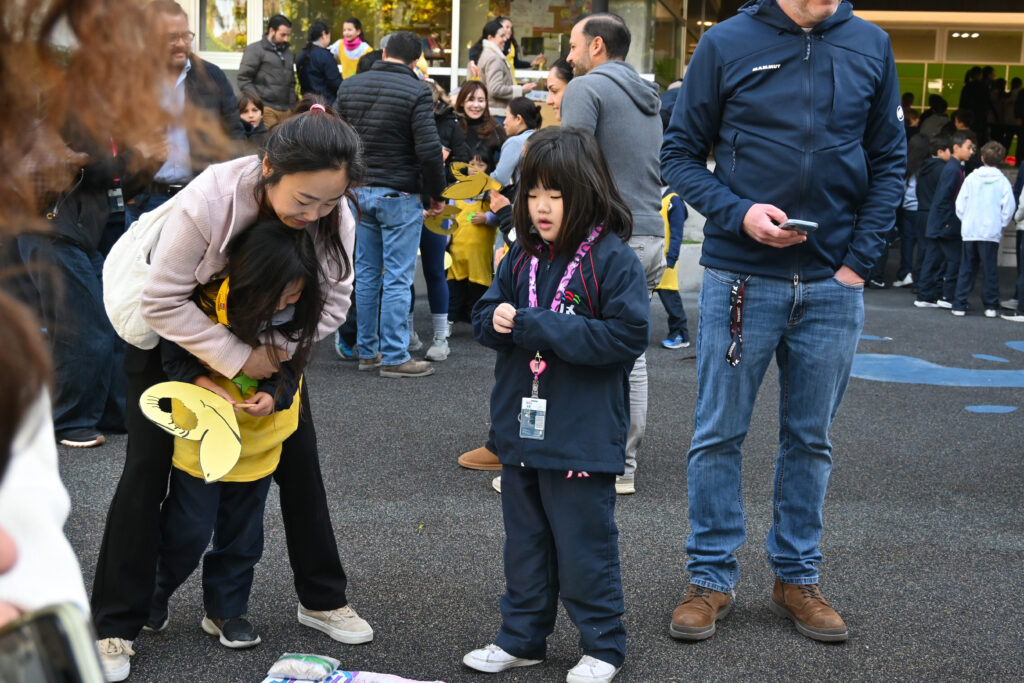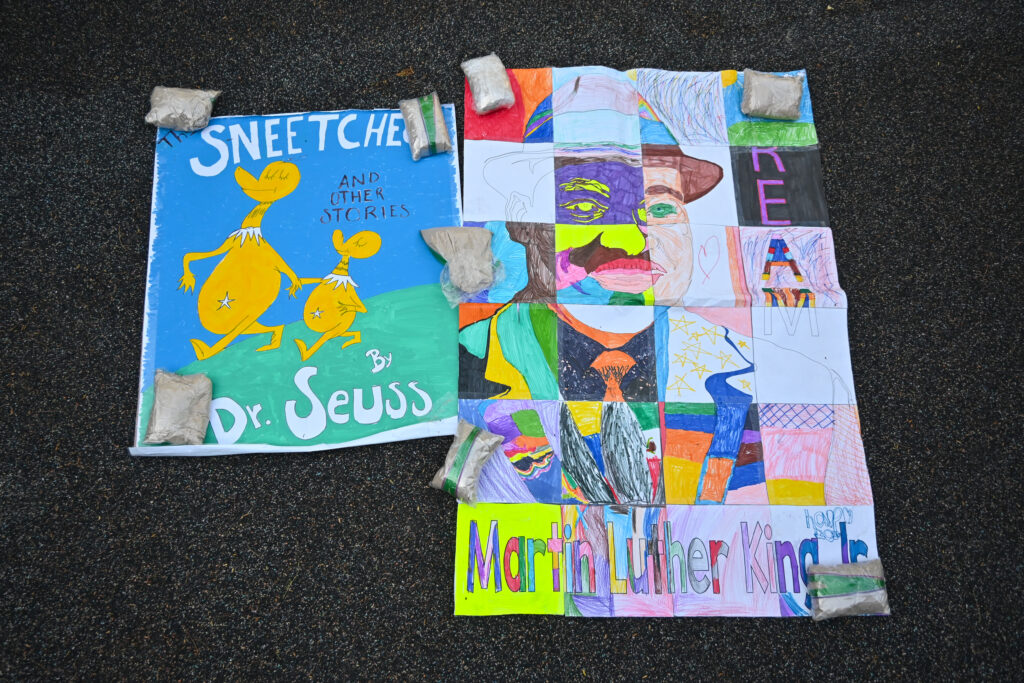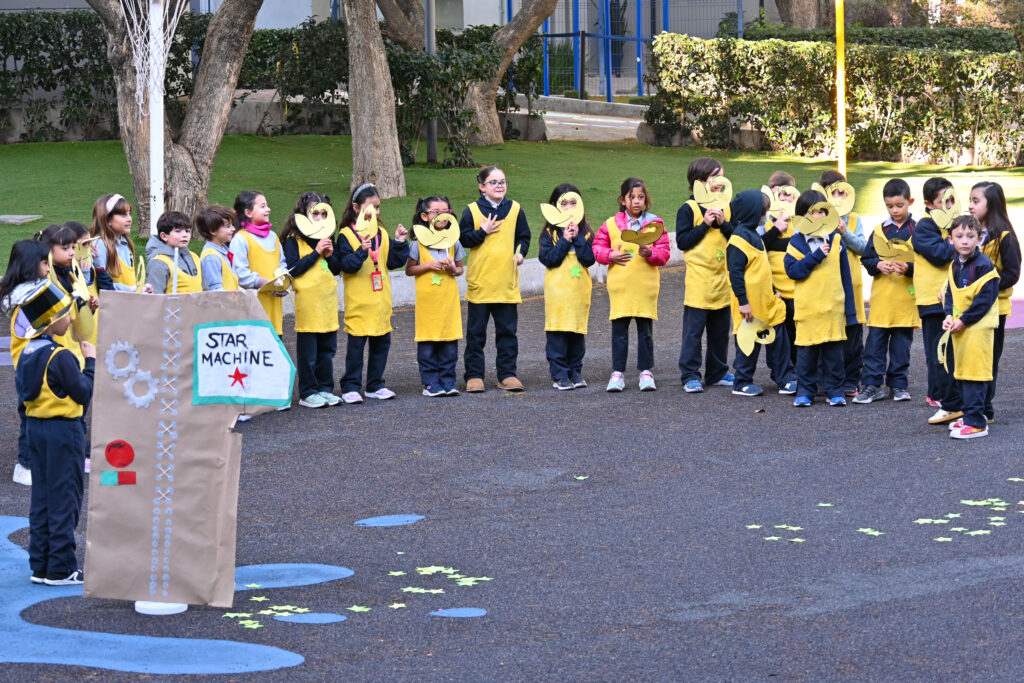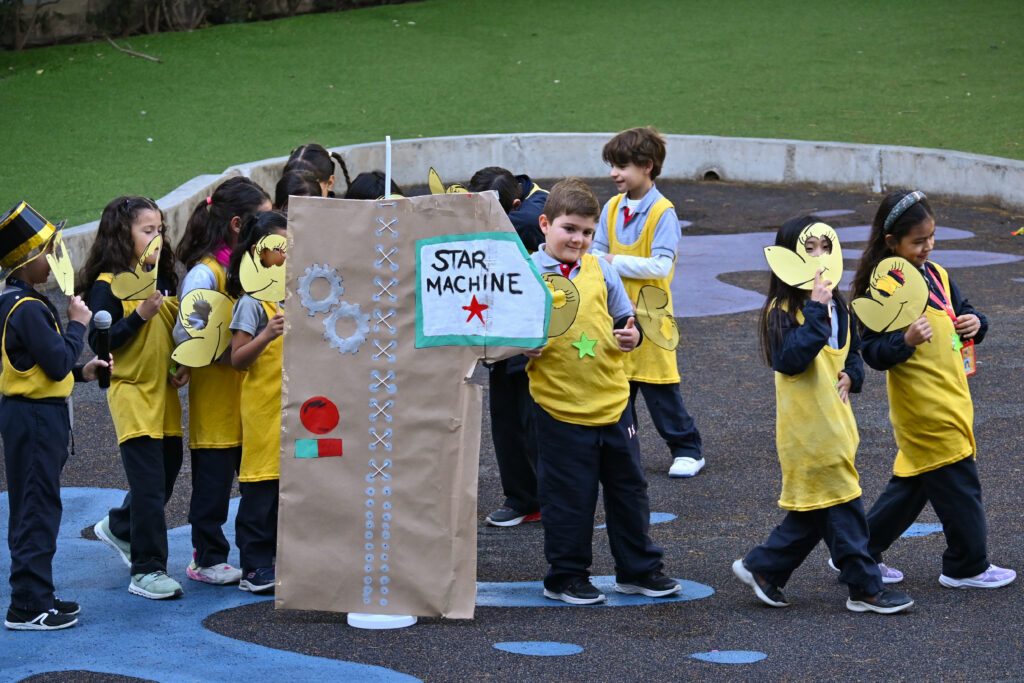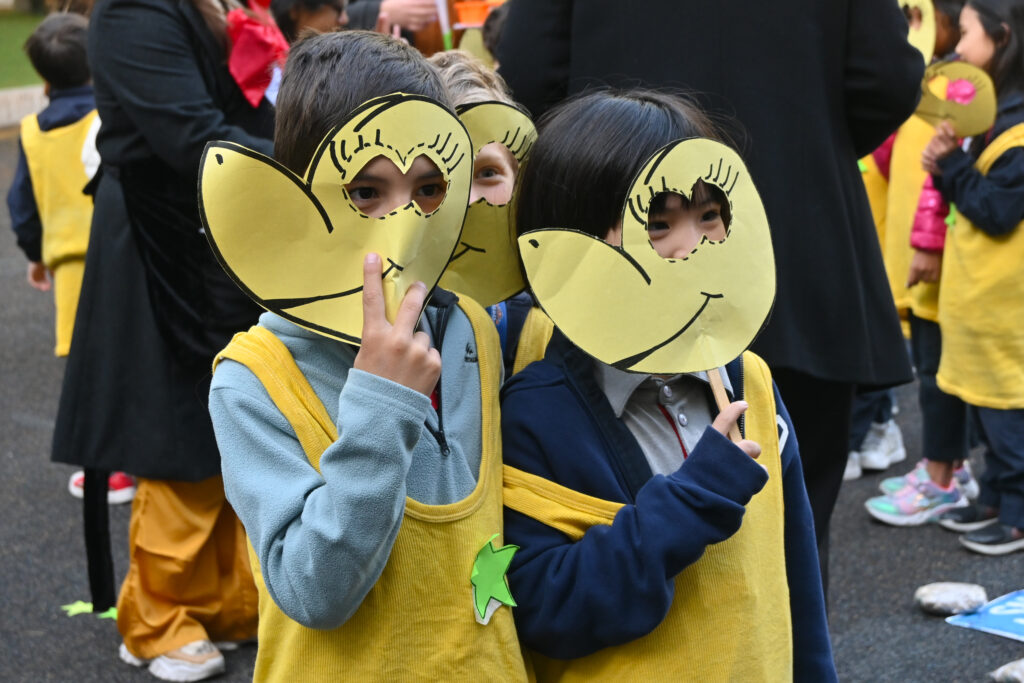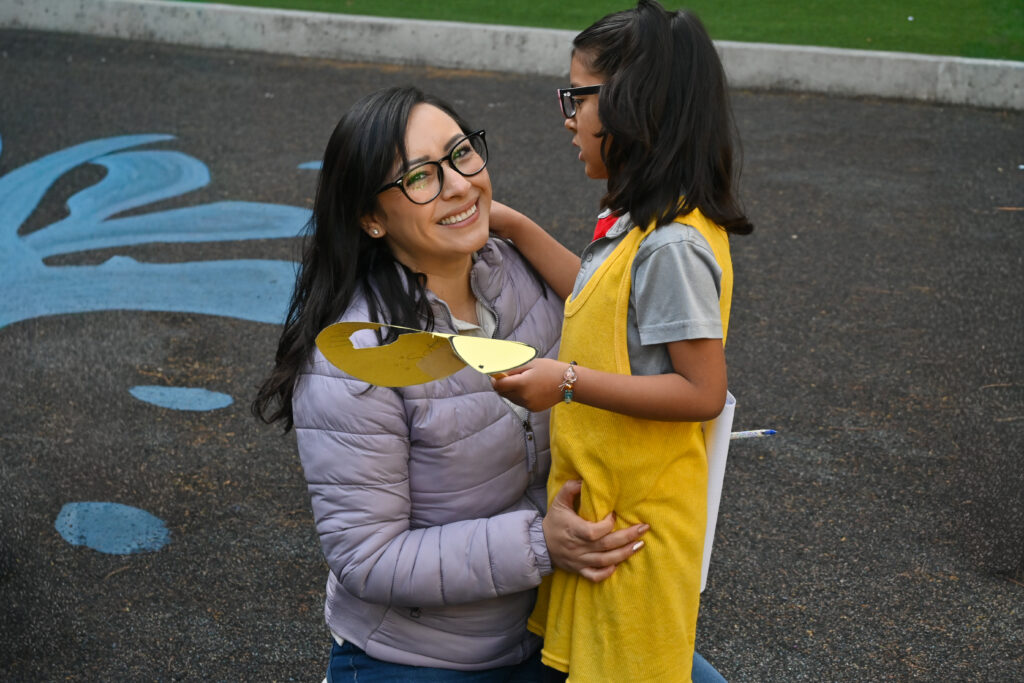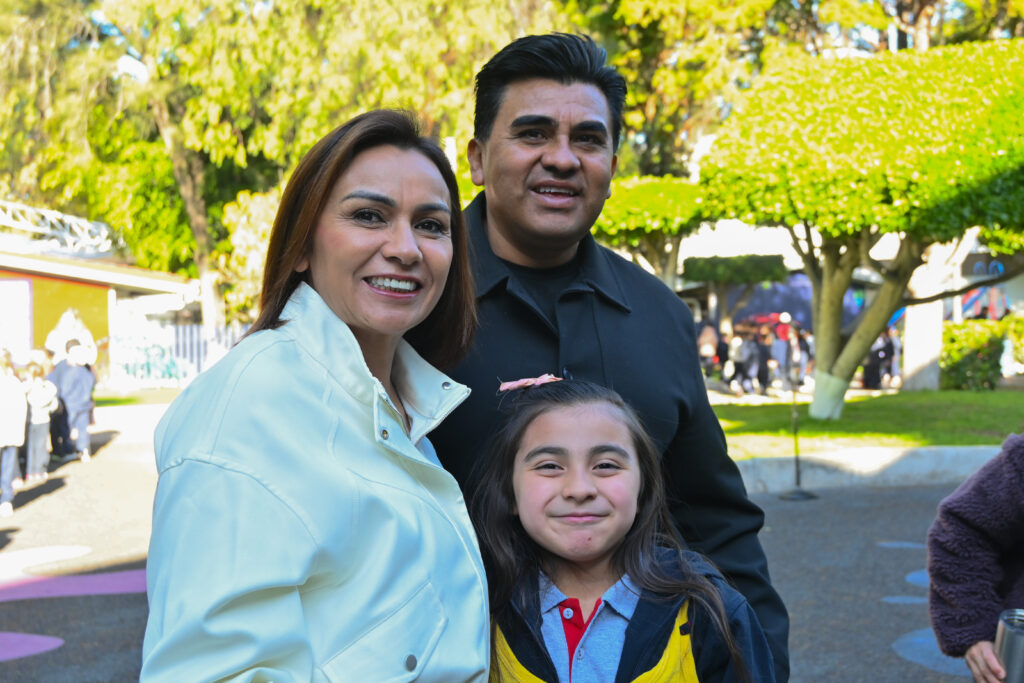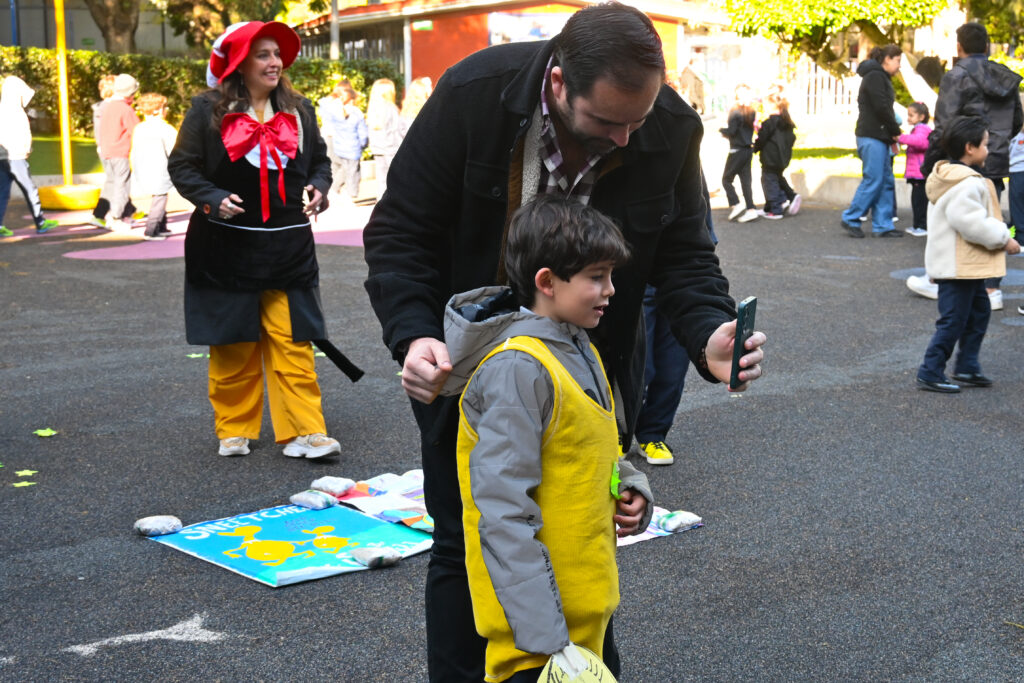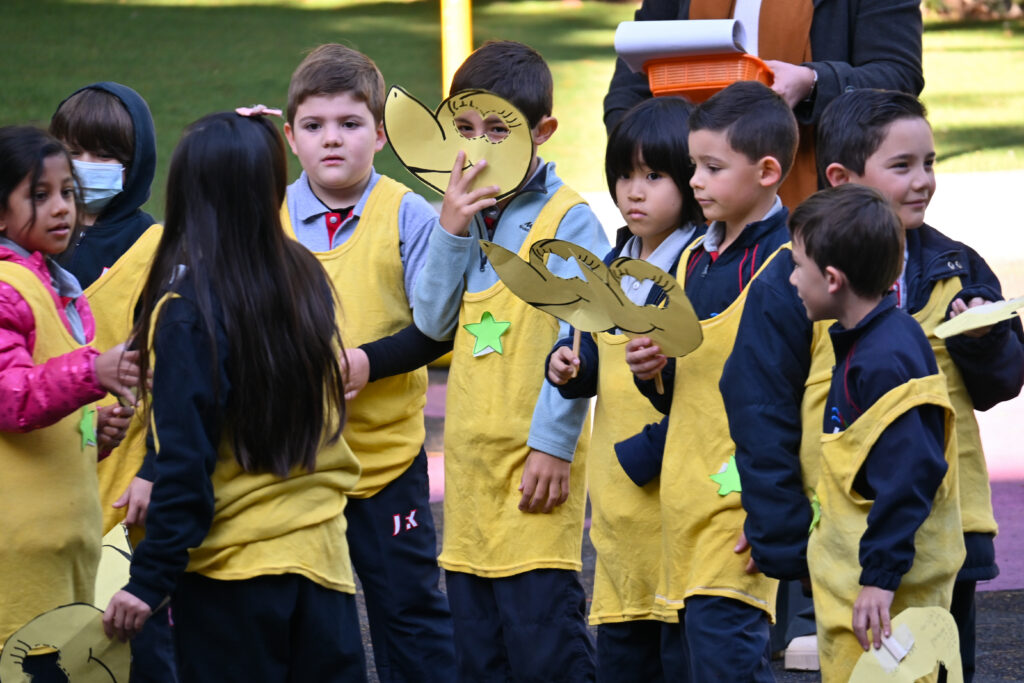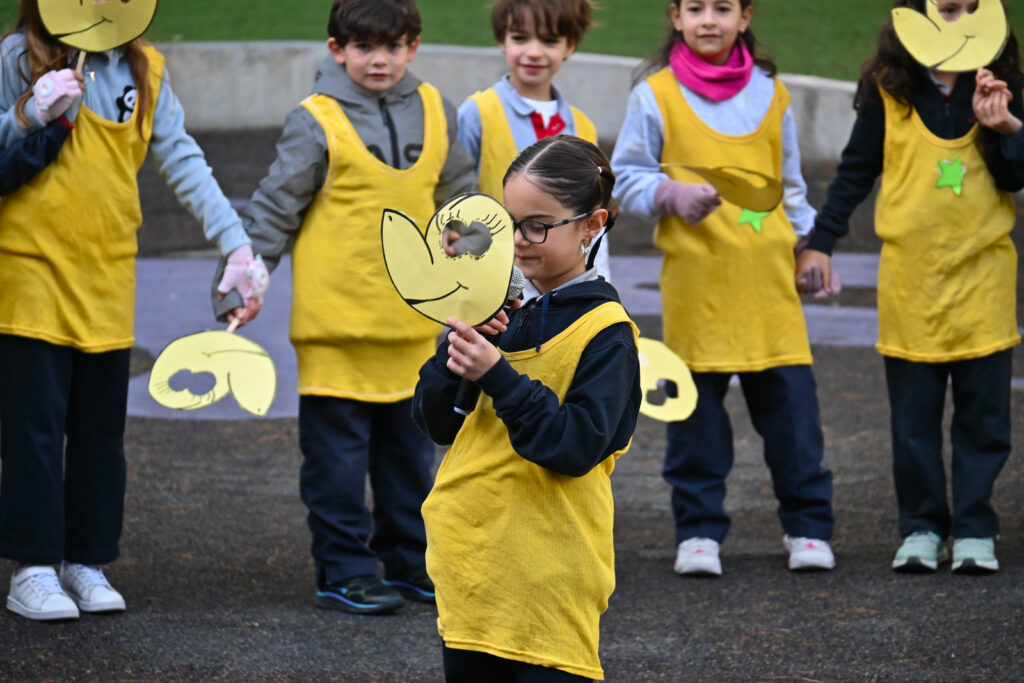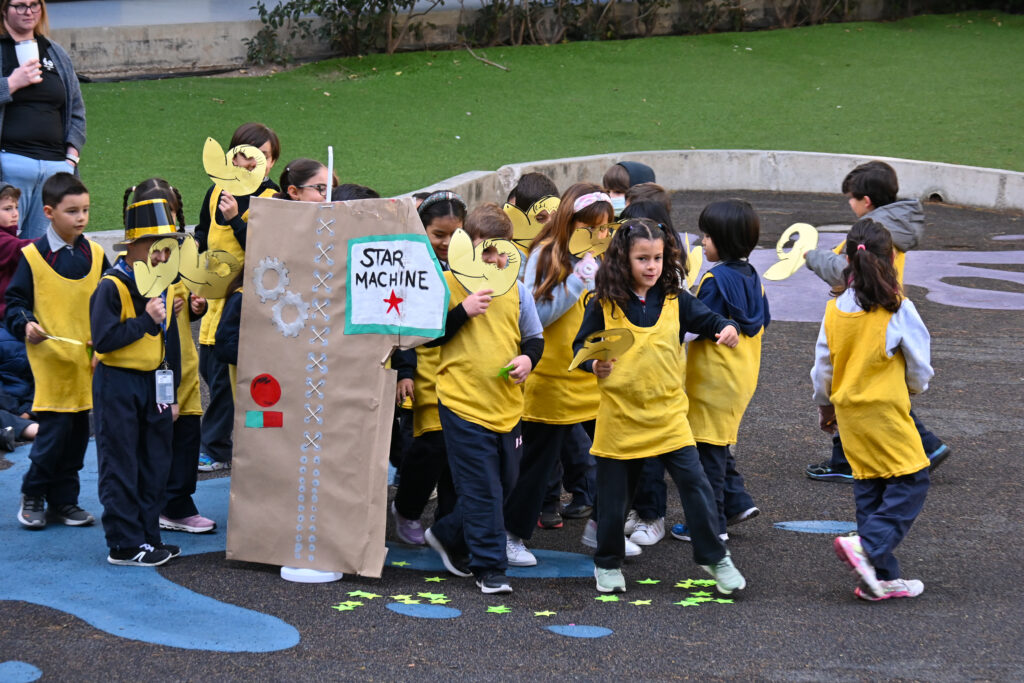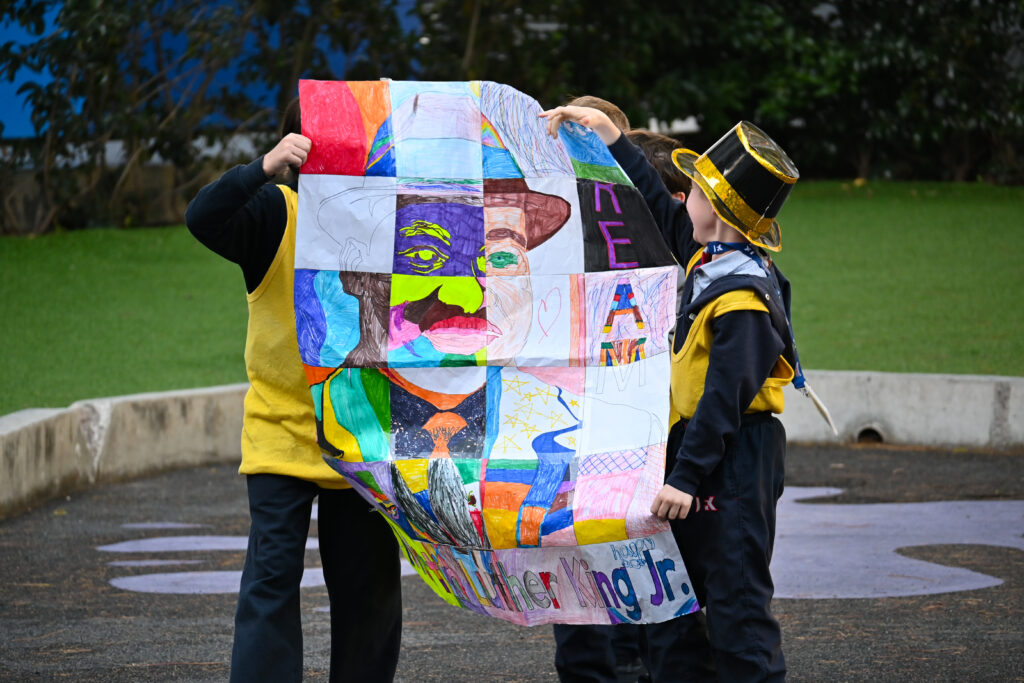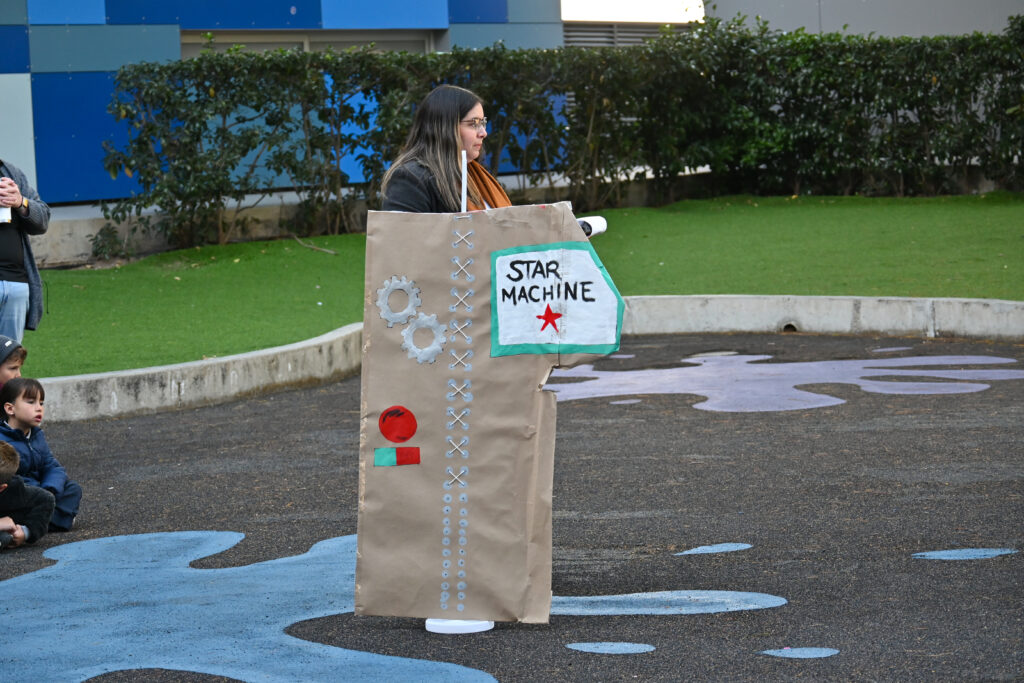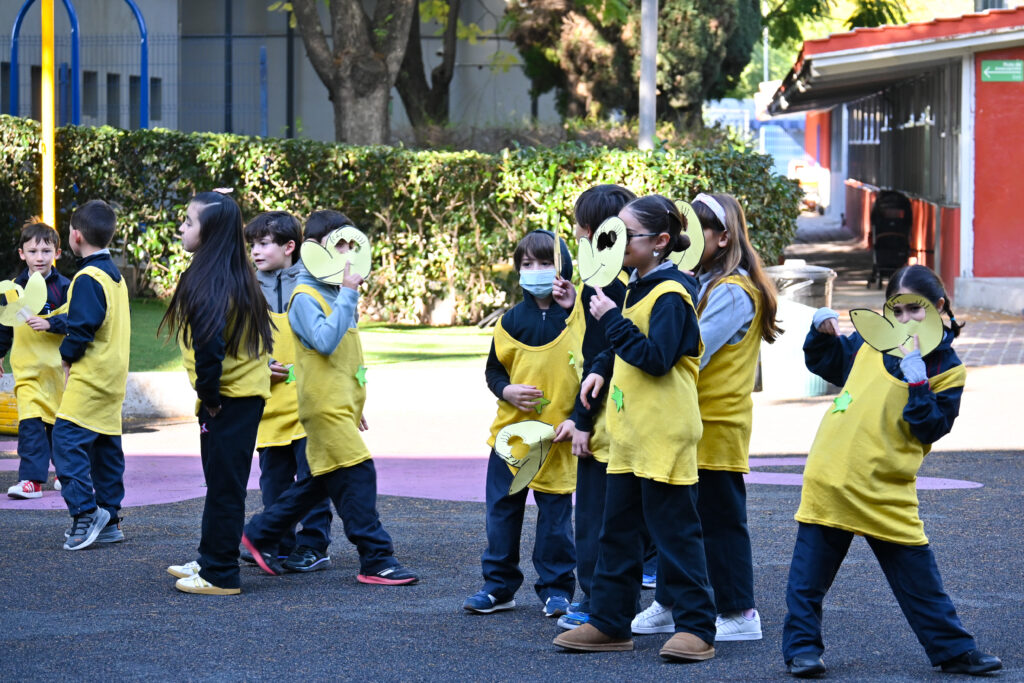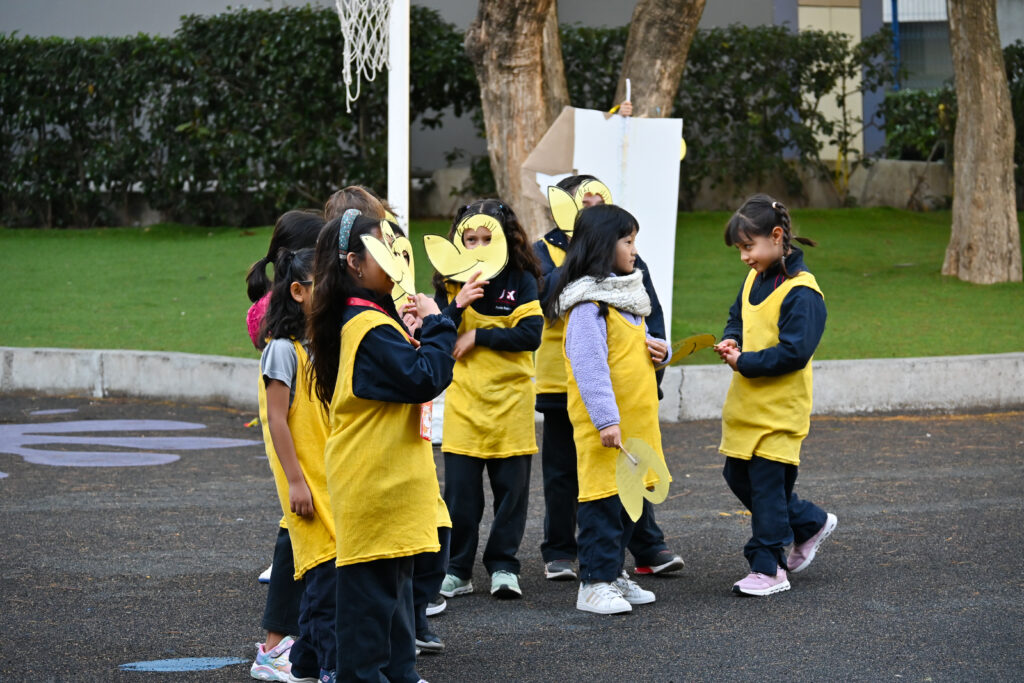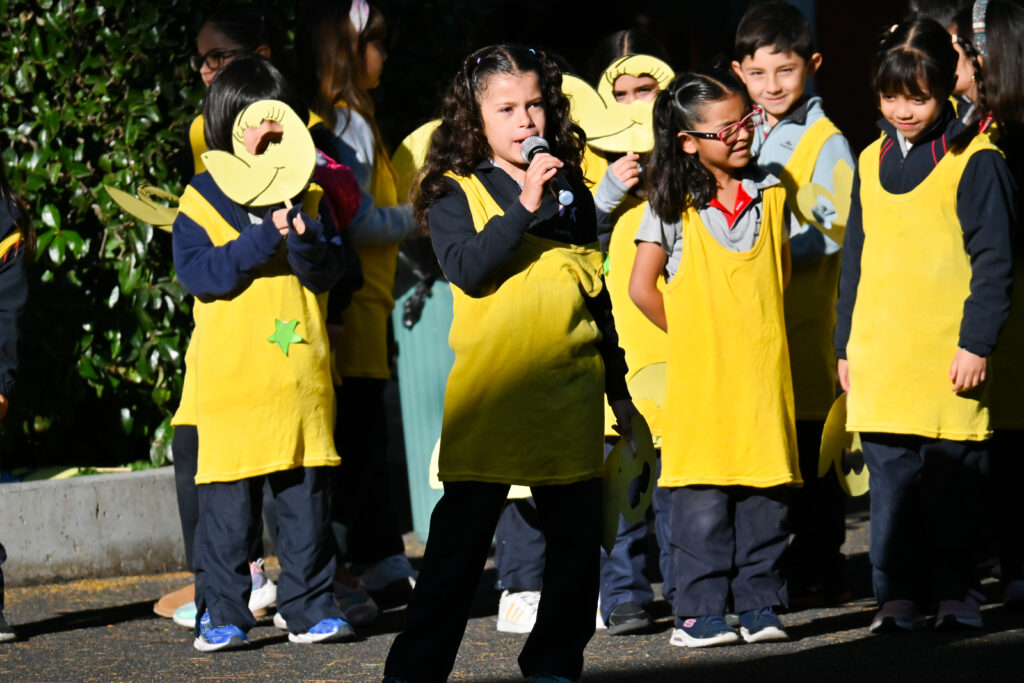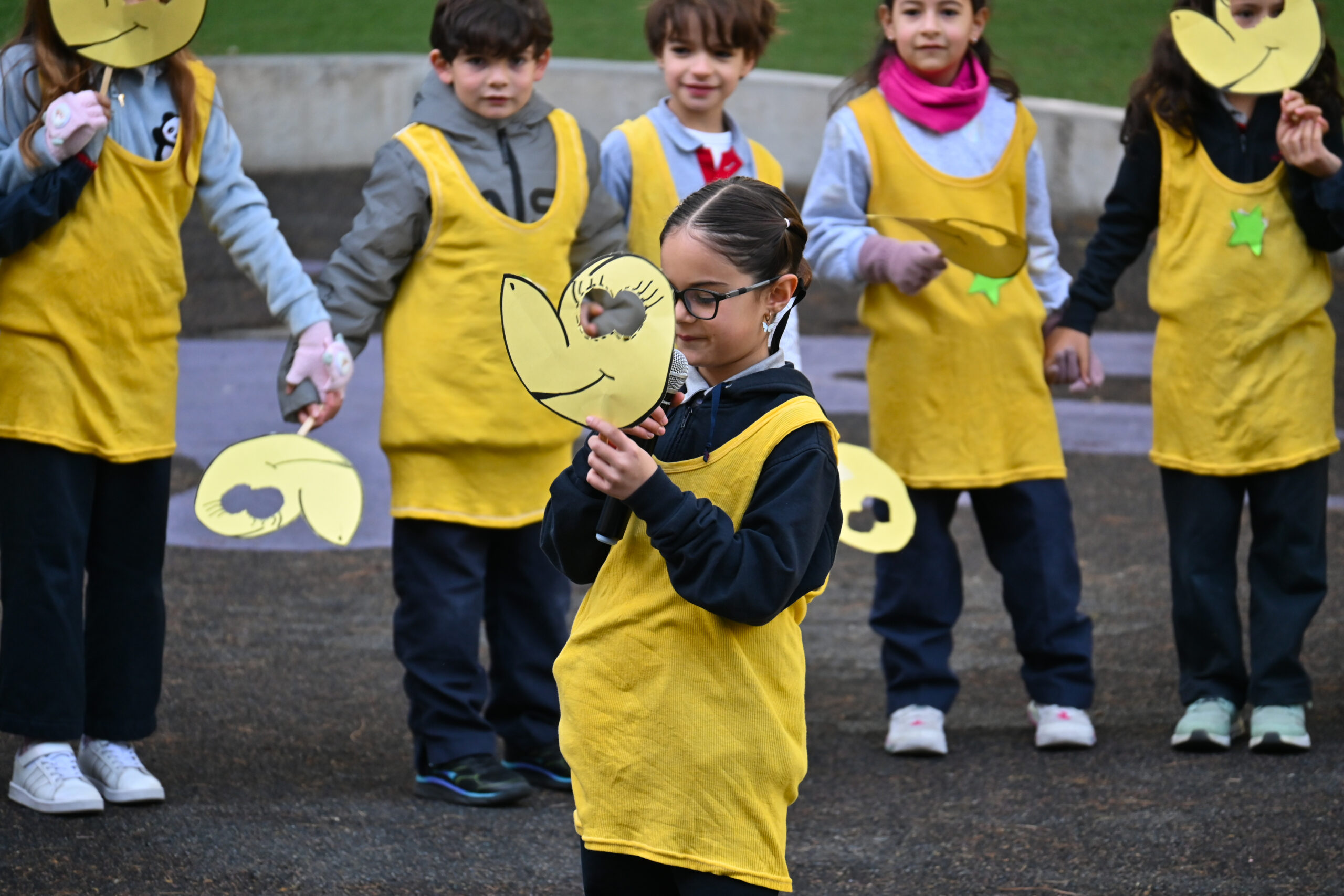
As you look at the photos accompanying this article, you will see a group of students presenting with confidence in front of the entire school. However, these images are just the tip of the iceberg. What we are celebrating is not just a “school play,” but the deep process of critical thinking and Student Agency that took place behind the scenes.
How did we move from a classroom discussion to a full school assembly?
Through three key steps of provocation and one giant leap of student action.
- The Provocation: The Sticker Experiment. It all began with an exercise in controlled injustice. I placed stickers on some desks and left others bare, granting arbitrary privileges based solely on that sticker. The reaction was visceral and immediate: “It’s not fair!” That raw emotion was the fuel needed to start questioning why we sometimes treat people differently based on superficial things.
- The Science: The Truth About Eggs. To move the discussion from emotion to reason, we turned to science. We brought eggs of different colors and textures into the classroom. On the outside, they were distinct. But upon cracking them open, the students verified an irrefutable biological truth: on the inside, they were identical. The conclusion was unanimous: the shell does not define the interior.
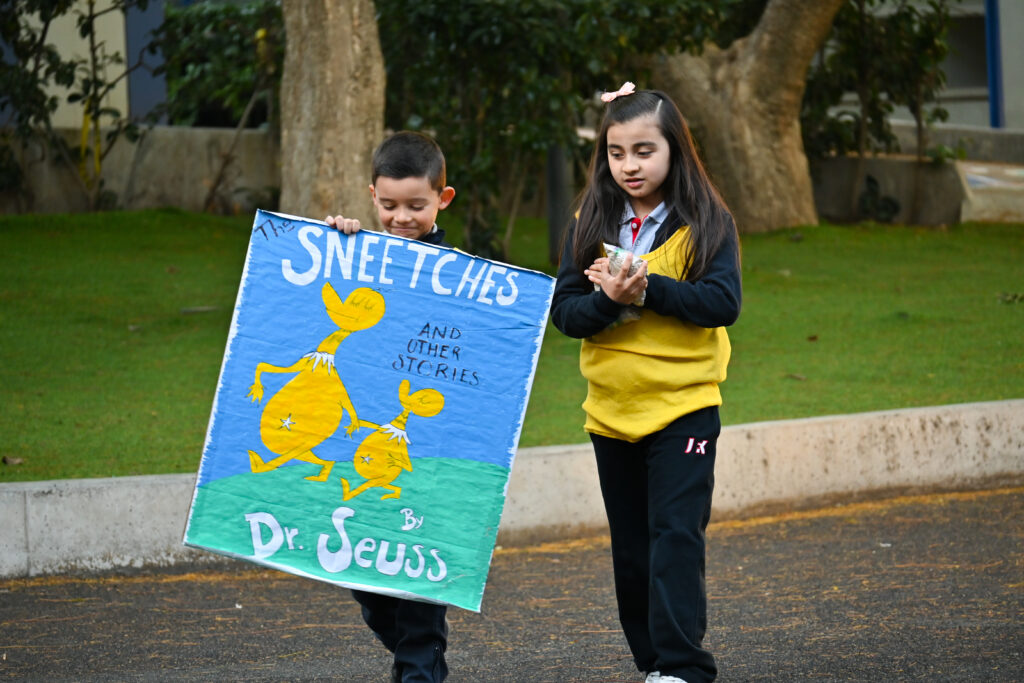
- The Literature Connection: The Sneetches. Finally, we read “The Sneetches” by Dr. Seuss. Seeing the characters discriminate against one another based on belly stars, the students connected the dots immediately: “Teacher, they are just like the stickers! They are judging the shell!”
The Big Leap: Agency and Structure.
With the concept understood, I issued a challenge: “How do we share this message with others?” This is where my role shifted from director to facilitator. The students didn’t just decide to act; they decided to professionalize their message.
Far from improvising, the group determined that for the school to truly understand their message, their presentation required a solid structure. They designed the assembly agenda in three clear acts:
- Introduction: They decided it was vital to contextualize the audience by stating a little context of who Dr. Martin Luther King Jr. was.
- The Play (Development): They adapted the story and managed their own props—including the construction of the “Star Machine”—organizing themselves into script and design teams.
- Closing: They concluded that the performance wasn’t enough; they needed a final moment of explicit reflection on empathy.
The photos you see here are the result of that autonomy. These students demonstrated that when given the opportunity to lead, they are capable of structuring complex ideas and transforming a classroom lesson into a powerful message for the entire community.
Ms. Becky García, 1A Teacher
Al observar las fotos que acompañan este artículo, verán a un grupo de alumnos presentando con seguridad frente a toda la escuela. Sin embargo, estas imágenes son solo la punta del iceberg. Lo que celebramos no es simplemente una “obra escolar”, sino el profundo proceso de pensamiento crítico y Student Agency que tuvo lugar detrás de escena.
¿Cómo pasamos de una conversación en el salón de clases a una asamblea escolar completa?
A través de tres pasos clave de provocación y un gran salto hacia la acción por parte de los alumnos.
- La provocación: El experimento de las calcomanías
Todo comenzó con un ejercicio de injusticia controlada. Coloqué calcomanías en algunos escritorios y dejé otros sin ellas, otorgando privilegios arbitrarios basados únicamente en esa calcomanía. La reacción fue visceral e inmediata: “¡No es justo!” Esa emoción genuina fue el impulso necesario para comenzar a cuestionar por qué, en ocasiones, tratamos a las personas de manera diferente basándonos en aspectos superficiales. - La ciencia: La verdad sobre los huevos
Para llevar la conversación de la emoción a la razón, recurrimos a la ciencia. Llevamos huevos de distintos colores y texturas al salón. Por fuera eran diferentes. Pero al romperlos, los alumnos comprobaron una verdad biológica irrefutable: por dentro, eran iguales. La conclusión fue unánime: la cáscara no define el interior. - La conexión literaria: The Sneetches
Finalmente, leímos “The Sneetches” de Dr. Seuss. Al ver cómo los personajes se discriminaban entre sí por tener o no estrellas en el vientre, los alumnos hicieron la conexión de inmediato: “Maestra, ¡son como las calcomanías! ¡Están juzgando la cáscara!”
El gran salto: Agencia y estructura
Con el concepto claro, lancé un reto: “¿Cómo compartimos este mensaje con los demás?” En ese momento, mi papel cambió de directora a facilitadora. Los alumnos no solo decidieron actuar; decidieron profesionalizar su mensaje.
Lejos de improvisar, determinaron que para que la escuela comprendiera verdaderamente su mensaje, la presentación debía tener una estructura sólida. Diseñaron la agenda de la asamblea en tres actos claramente definidos:
- Introducción: Consideraron fundamental contextualizar al público, explicando brevemente quién fue Martin Luther King Jr.
- La obra (Desarrollo): Adaptaron la historia y gestionaron su propia utilería —incluida la construcción de la “Máquina de Estrellas”— organizándose en equipos de guion y diseño.
- Cierre: Concluyeron que la presentación no era suficiente; necesitaban un momento final de reflexión explícita sobre la empatía.
Las fotografías que hoy compartimos son el resultado de esa autonomía. Estos alumnos demostraron que, cuando se les brinda la oportunidad de liderar, son capaces de estructurar ideas complejas y transformar una lección en el aula en un mensaje poderoso para toda la comunidad.